



February 24, 2025
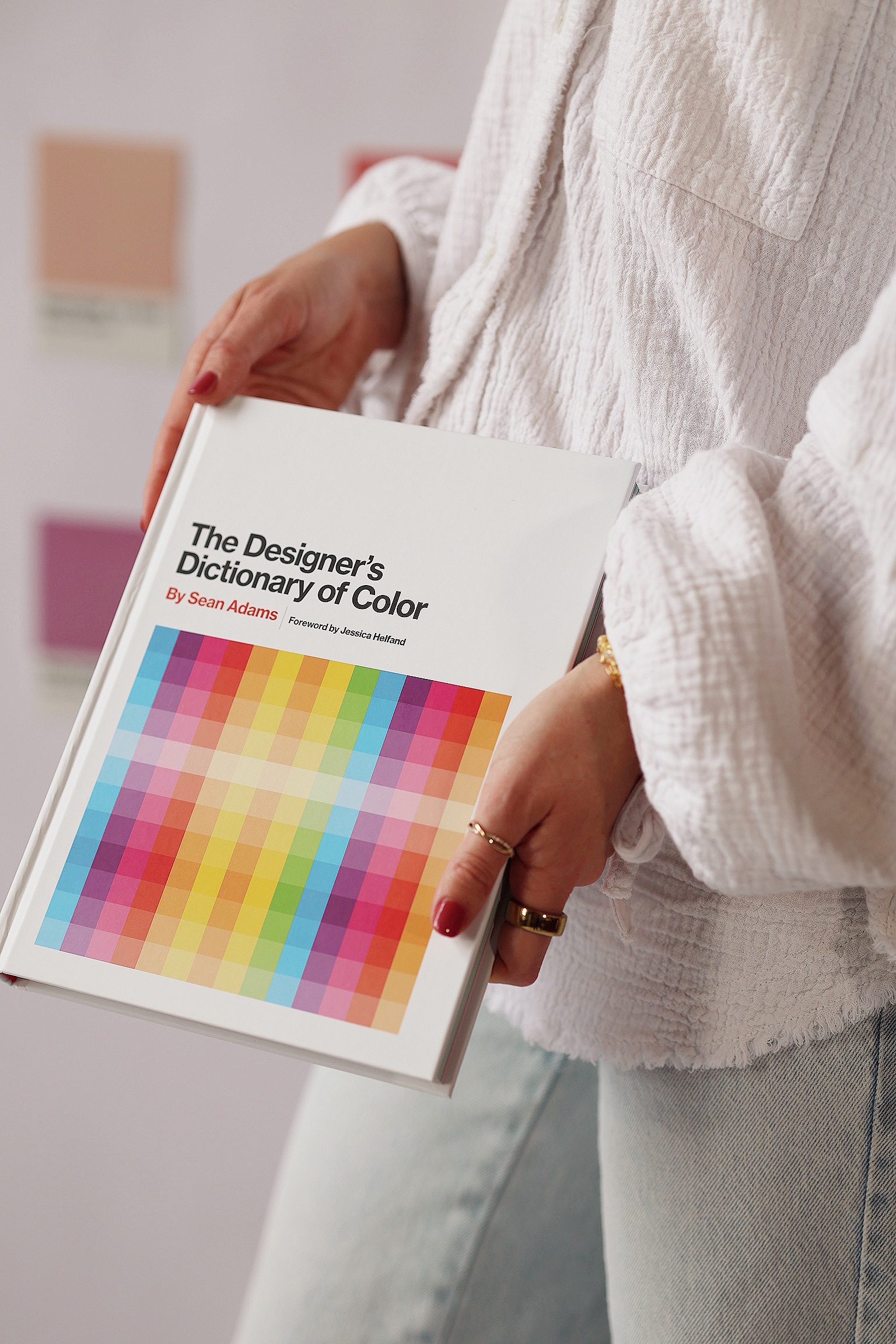
Color is one of the most powerful tools in branding. It evokes emotion, communicates messages without words, and influences perceptions. Whether you’re launching a new brand or refreshing an existing one, understanding color psychology can give you the edge you need to create a brand identity that resonates deeply with your audience.
In a recent podcast episode, I dove into the world of color psychology and how it can be strategically used to elevate your branding. In this post, I’m sharing some key insights to help you use color to enhance your brand’s message and connect with your ideal clients.
1. Understanding Color Psychology
Color psychology is the study of how colors impact human emotions and behaviors. Different colors trigger different responses in people, so choosing the right palette for your brand can influence how your audience perceives your business and how they feel about your products or services.
For example:
- Red is bold and energetic, evoking passion, excitement, and urgency.
- Blue communicates trust, professionalism, and calmness.
- Yellow is optimistic, creative, and joyful, promoting happiness.
- Green represents growth, harmony, and health, making it ideal for wellness and eco-conscious brands.
- Purple conveys luxury, creativity, and sophistication, often associated with high-end or artistic brands.
- Black is sleek, powerful, and timeless, often used for luxury and modern brands.
By understanding the emotional responses each color elicits, you can choose the best colors that reflect the essence of your brand and resonate with your target audience.
2. Aligning Colors with Your Brand Values
When selecting your brand colors, it’s important to align them with your brand’s values and the message you want to communicate. Think about the emotions and characteristics that you want your brand to embody and the audience you want to attract.
For example:
- If you’re in the wellness space and want to communicate healing and balance, green or blue would be great choices.
- If you’re launching a creative, vibrant business and want to inspire excitement and energy, orange or yellow might be perfect.
- For a luxury brand that wants to evoke sophistication and elegance, black, gold, or purple could be ideal.
The key is to ensure that your color choices align with both your brand’s identity and the emotional response you want your audience to have.
3. The Impact of Color Combinations
While individual colors have strong meanings, the combination of colors you choose also plays a big role in shaping your brand’s identity. Some color combinations work well together to evoke a sense of harmony, while others may clash or create confusion.
For example:
- A combination of blue and white conveys trust and professionalism, making it a great choice for corporate or healthcare brands.
- Pink and gold gives off a feminine, elegant vibe that works well for luxury beauty or wellness brands.
- Black and white is timeless and minimalistic, perfect for modern, high-end brands.
Consider the psychological impact of your color combinations and how they create a cohesive visual identity that supports your brand’s message.
4. Using Color to Influence Consumer Behavior
Color can also influence consumer behavior. Studies show that people make judgments about products and services based on their color alone. For instance, orange can stimulate appetite, which is why it’s often used in food and restaurant branding. Blue can inspire feelings of trust and reliability, making it a popular choice for financial institutions.
Understanding these associations can help you make more informed decisions when designing your brand’s visual identity. Choose colors that will not only reflect your brand’s personality but also drive the actions you want your audience to take—whether it’s making a purchase, signing up for a newsletter, or simply learning more about your offerings.
5. Testing and Evolving Your Brand Colors
Once you’ve selected your brand colors, don’t be afraid to test them out and evolve your palette as needed. Conduct A/B testing to see how different colors influence your audience’s behavior and engagement. You might find that small adjustments to your color scheme can have a big impact on how your audience perceives your brand and interacts with your business.
If you’re unsure about your color choices, consider working with a designer who understands color psychology and can help you create a cohesive, intentional brand palette.
Ready to Elevate Your Branding with Color?
Understanding color psychology is a game-changer when it comes to elevating your branding. By choosing colors that align with your brand’s values, influence consumer behavior, and create emotional connections with your audience, you can create a brand identity that stands out and resonates on a deeper level.
If you want to learn more about using color psychology to elevate your branding, I dive deeper into this topic in my latest podcast episode. Listen to the episode here!
Is your brand bold enough to stand out or are you blending in?
Your brand is either pulling dream clients in or quietly pushing them away; there's no in-between. In 4 minutes and 10 questions, you'll find out exactly which one yours is doing, what's holding it back, and one shift you can make.


